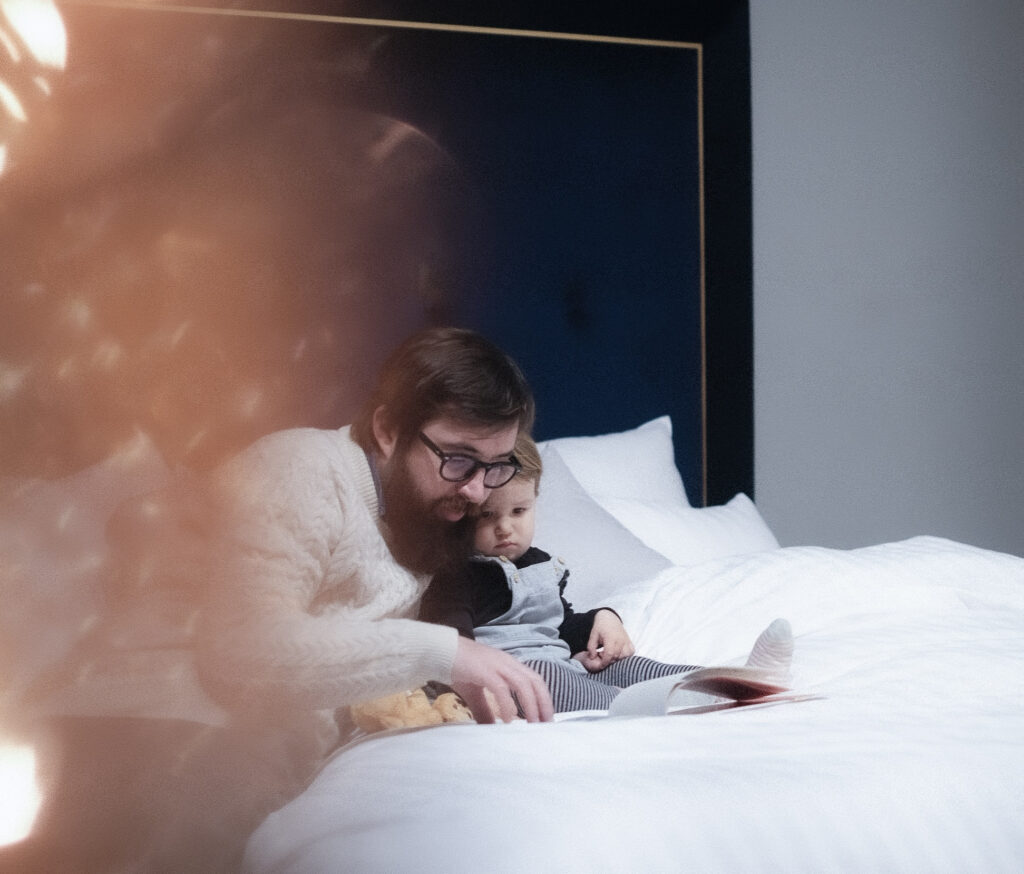
Parents often feel confused by all of the information available on what they should – or shouldn’t – be doing to prepare their baby or toddler for sleep. Learn some of my favourite tips to making bedtime a smoother experience for everyone, without any sleep training
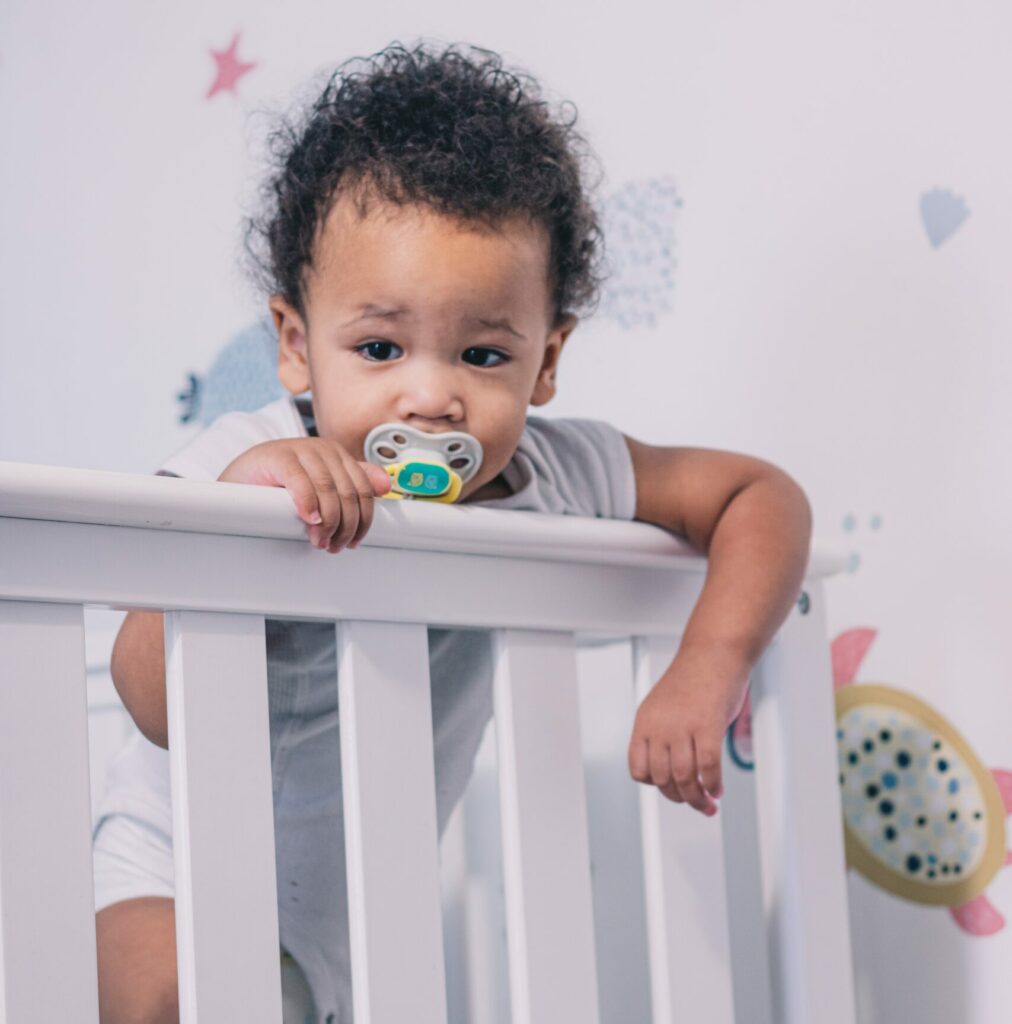
Many babies hate the crib, and it has nothing to do with “bad habits” or parents doing something wrong. Crib sleep is cultural, not biological, and plenty of babies simply sleep better when they’re close to you. If your baby cries the second they touch the mattress, you’re not alone — and it doesn’t mean something is wrong with your child or your parenting. In this post, I break down the five biggest reasons babies resist the crib, what’s actually normal, and the responsive alternatives that protect attachment and support better sleep.
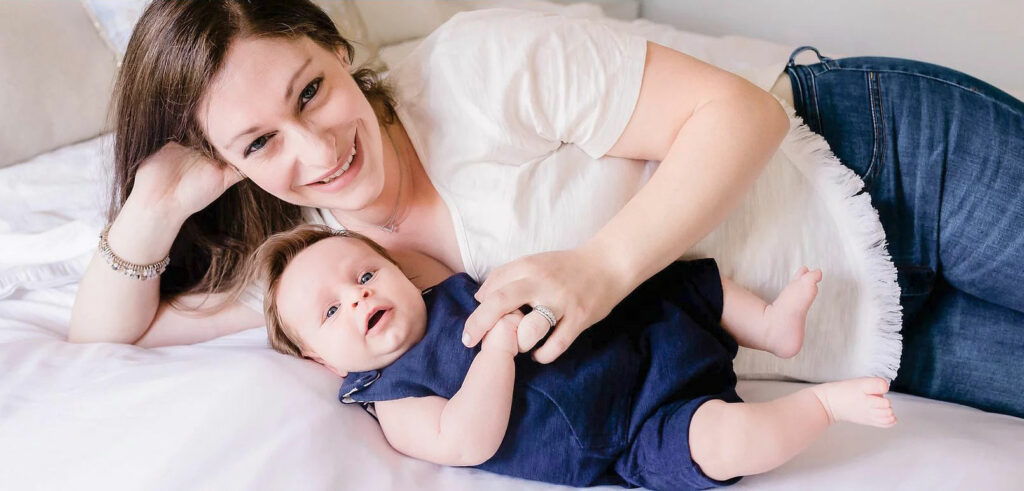
Any parent who has googled baby sleep has surely come across the suggestion that feeding to sleep is a bad habit, a crutch, a negative association that should be avoided at all costs. As an attachment focused sleep and parent coach, I routinely support my clients to improve their family’s sleep situation while respecting the biological norm of feeding to sleep.

One of the primary reasons sleep training is recommended to parents is to break the ‘habit’ of breastfeeding to sleep. Between the suggestion that feeding to sleep is a crutch, and the idea that it can lead to dental problems, parents are both shamed and fear mongered into stopping something that may be working both for them and for their baby. Add to this the fact that there is information circulating online about whether or not feeding to sleep can cause dental issues, and you have a recipe for disaster if you’re a parent whose child routinely nurses to sleep.

First, I think it’s important to know that everyone wakes at night. This is why the concept of “linking sleep cycles” exists (even though I don’t believe this is something that can be ‘fixed’ or ‘taught’). Sleep is our most vulnerable state and we are biologically designed to wake periodically to assess the safety of our environment.

The biggest factor in differentiating between day and night is exposure to light. This is what sets an infant’s circadian rhythm, which begins to develop around six weeks of age and is usually set between three and six months (Yates, 2018). Darkness at night supports consolidates sleep, and exposure to light can interfere with this.

There are a lot of challenges with modern day sleep training. But, as someone who advocates for sleep solutions that do not include the ‘traditional’ methods, you might be surprised to hear me say that the biggest challenge with sleep training is not the crying in and of itself. Instead, the biggest problems with sleep training are

As many millennial parents can attest, the authoritarian parenting of our childhood has made it difficult for many of us to regulate our own emotions and respond in a supportive and nurturing way to our children’s emotions. Just think of how easily triggered we are by our children’s tantrums, and even further, their resistance when we ask for something to be done? Tell me you were expected to be ‘seen and not heard’ as a child without telling me

I’ve been struggling this week with sharing my usual content on Instagram, when the world is currently such a dark place. It’s an interesting predicament to be in as a business owner, a content creator, and as a parent. On the one hand, I don’t want to clutter anyone’s feed with information that feels trivial […]
One of the most asked questions I get in DMs is when to begin putting a new baby on a sleep schedule. The answer is a bit convoluted; you can start implementing sleep associations and routines at any point in time, but that doesn’t necessarily mean you’re on a schedule! In the first 4-5 months […]