One of the most harmful myths the sleep training industry continues to spread is the idea that if you don’t sleep train early, you’ll be trapped in your current sleep situation forever. But this simply isn’t true — not developmentally, not emotionally, and not from a neuroscience perspective.

Let’s face it: sleep as a parent is limited, regardless of how ‘good’ or ‘bad’ your kids sleep. Maximizing the amount of sleep – and more importantly, the quality – we’re getting as parents is crucial to being better equipped to handle interrupted sleep, and to be more intentional about the nighttime parenting choices we are making with our children. Improve your sleep with these 5 helpful tips.

Not all sleep needs are created equal: temperament can significantly affect your sleep, and sleep trainers have been misusing the research for years. Here’s what you need to know.

The old adage, ‘never wake a sleeping baby’, is one of the many pieces of parenting advice that should have been left in the 20th century. Here’s why.
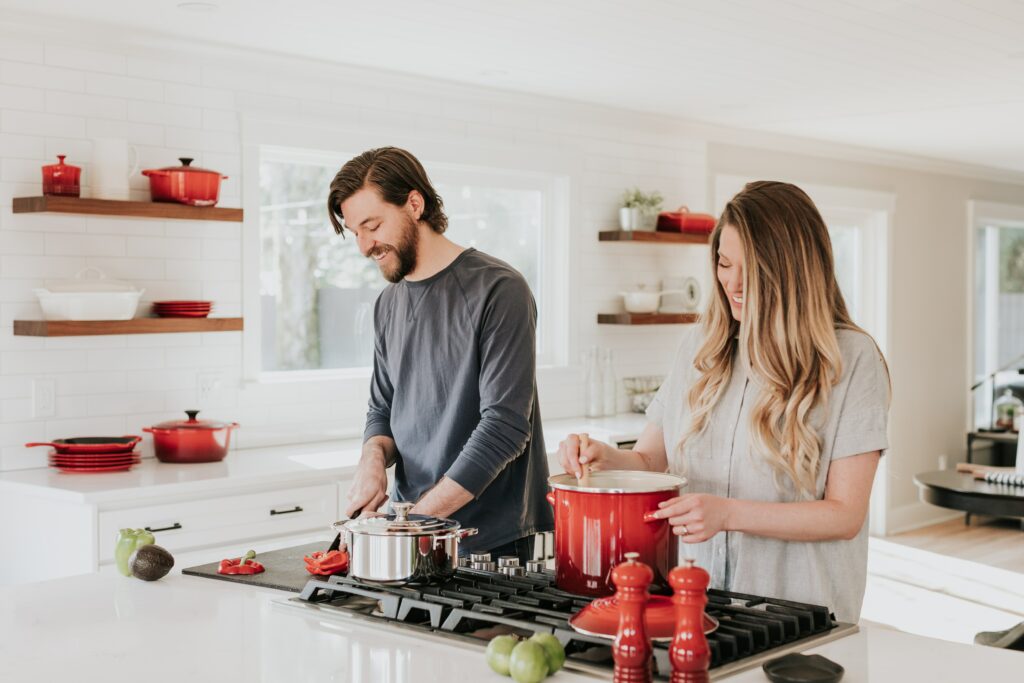
Why a healthy diet rich in sleep promoting foods and nutrients can help you achieve a more restful night’s sleep
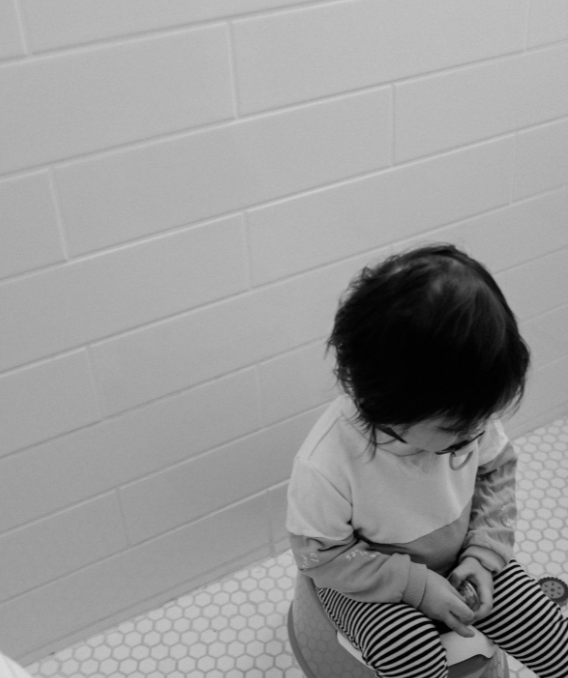
Discover effective strategies for toilet training, transitioning away from diapers, and managing nighttime toileting. Learn when to start, signs of readiness, and practical tips for a smooth transition.

As millennials have become experienced parents, there has been a clear shift towards a more gentle, respectful approach to parenting that prioritizes attachment and connection. This shift is not only rooted in a desire to do better than previous generations, but also in a growing body of research that supports the benefits of responsive parenting

As many millennial parents can attest, the authoritarian parenting of our childhood has made it difficult for many of us to regulate our own emotions and respond in a supportive and nurturing way to our children’s emotions. Just think of how easily triggered we are by our children’s tantrums, and even further, their resistance when we ask for something to be done? Tell me you were expected to be ‘seen and not heard’ as a child without telling me